Reiki brings together the Japanese idea of ki, hands-on or hands-near practice, lived energetic experience, and a growing—though still limited—body of clinical research.
Ki: an old language for vitality
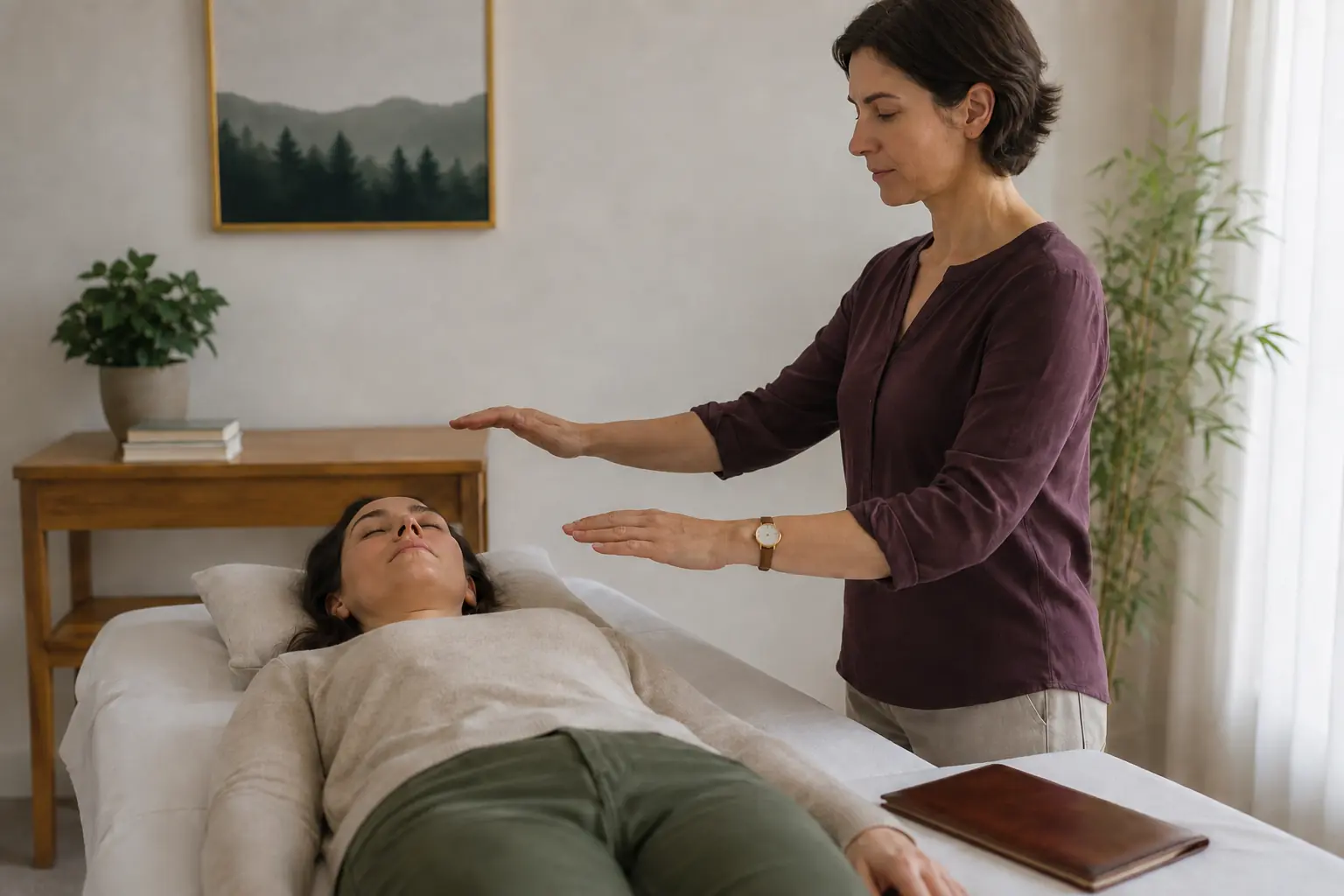
During a Reiki session, some people report warmth, pulsing, expansion, images, or a quietness that is difficult to find in ordinary life. Practitioners describe the flow of universal life energy through hands placed lightly on or above the body. Others feel nothing unusual and still value the rest. These experiences do not all need to look alike in order to be approached with respect.
The Japanese term ki belongs to a family of traditional ideas that includes Chinese qi and Indian prana—ways of understanding vitality, breath, flow, and the relationship among body, mind, and environment. For practitioners, ki is not merely a decorative metaphor. In physics, however, energy is a measurable quantity with defined units. Using the same English word does not make the two concepts identical, and current instruments have not independently identified a field unique to Reiki.
What clinical studies are finding
The most encouraging evidence concerns outcomes rather than detection of a field. A 2024 meta-analysis including 824 adults found an average reduction in anxiety associated with Reiki, although results differed by population and treatment schedule. A 2025 review of 11 randomized trials and 661 participants found a small improvement in quality of life, with a confidence interval close to no effect.
Individual trials have also reported reductions in anxiety, pain, or selected physiological measures in specific groups. These results justify serious attention; dismissing a practice without examining them would be premature. They do not, by themselves, prove that ki caused the change. A clinical outcome and its mechanism are different questions, and science often investigates them at different speeds.

Why positive evidence is not the final word
Reiki studies often involve small samples, different protocols, subjective outcomes, and short follow-up. Blinding is difficult because the practitioner knows what they are doing, while participants may notice behavioral differences between Reiki and sham sessions. Publication bias can also make favorable studies easier to find. A meta-analysis estimates an average from the studies available; it inherits their limitations.
This does not make the practice unreal. It shows what stronger research would require: preregistered outcomes, larger samples, independent replication, and comparisons among Reiki, sham Reiki, rest, touch, and usual care. The scientifically honest phrase is not “Reiki is nothing” or “physics has proved Reiki.” It is: meaningful clinical signals exist, while the proposed subtle-energy mechanism remains open.
Intention, presence, and the relational field
A practitioner offers more than a sequence of hand positions. They enter a state of attention, establish an intention of care, and become available to the person receiving. Energy traditions treat intention as part of the operation. Psychology and social neurobiology also recognize that perceived safety, expectation, attention, and relationship can influence stress and symptom experience. The descriptions are not identical, but both show that a session is an encounter rather than an isolated object.
At least four hypotheses can coexist: reduced stimulation and rest; therapeutic relationship; expectancy and meaning; and a subtle or bio-physical process not yet identified. Demonstrating the first three does not automatically eliminate the fourth. Confirming it scientifically, however, requires specific predictions and replication. “We do not yet know” can be a genuinely open position rather than a refusal of mystery.
Hands-on healing and responsible practice
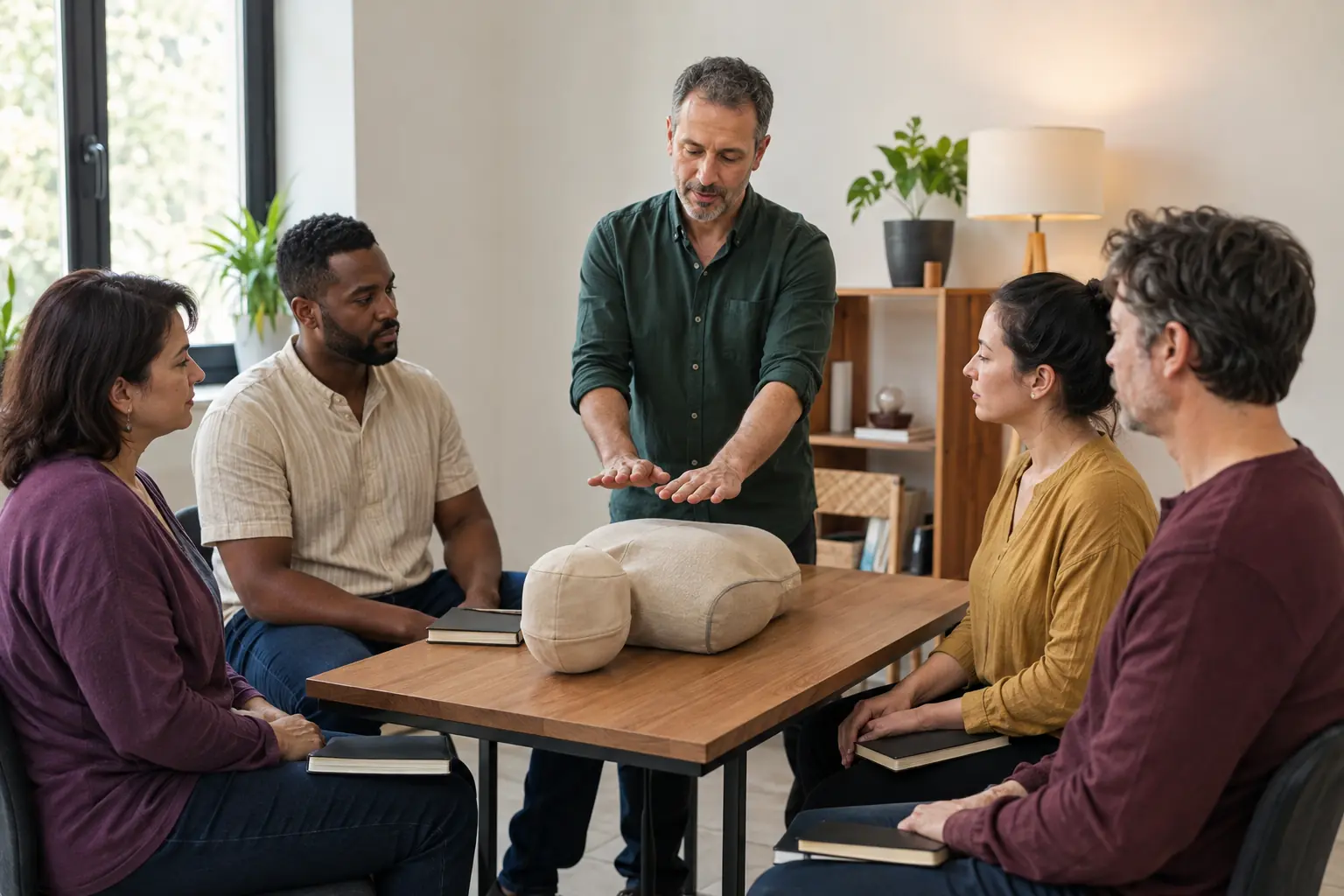
Reiki can be practiced with light touch or no contact. Broader touch research suggests that safe, consensual contact can affect pain, anxiety, and depressive symptoms, but those findings cannot simply be relabeled as proof of Reiki. They do show why studies must control for touch and why consent, comfort, and boundaries belong at the center of practice.
Reiki is best offered as complementary care: it does not replace diagnosis, medication, psychotherapy, emergency care, or disease treatment. Ethical practitioners do not promise cures or blame illness on a client's vibration. They explain what belongs to lineage, what studies suggest, and what remains mystery. That combination of spiritual depth and clear limits builds more trust than exaggerated claims ever could.